-
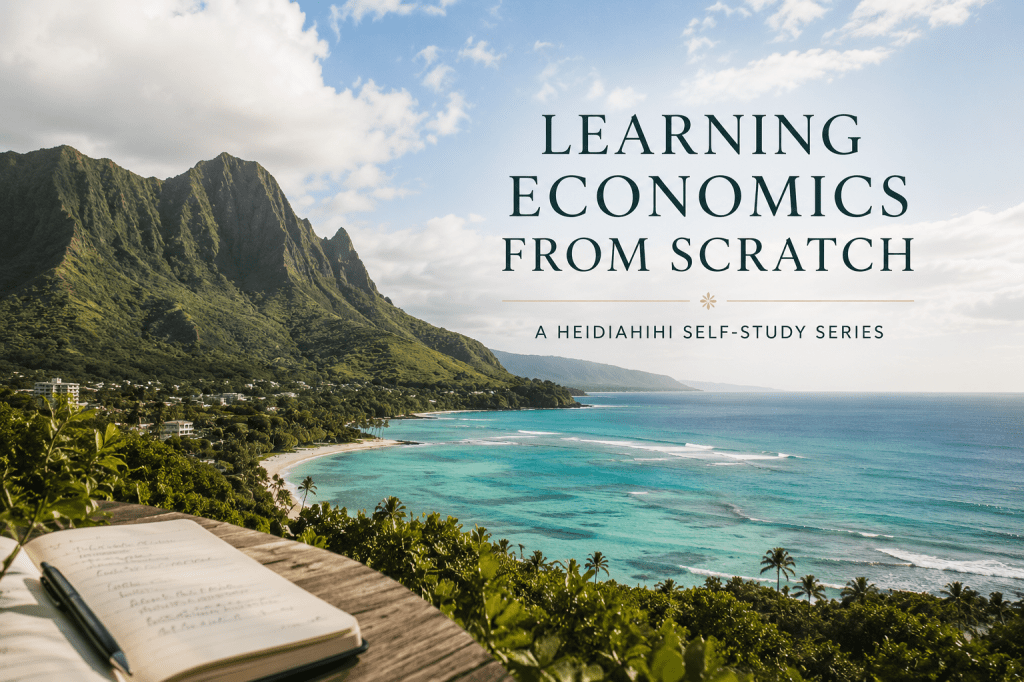 Continue reading →: Learning Economics from Curiosity to Real-World Thinking
You do not need to become an economist to start thinking like one. When people hear the word Economics, they often think about money, inflation, interest rates, stocks, GDP, recessions. And then come the graphs. Lots and lots of graphs. But economics begins somewhere much simpler. It begins with a…
-
 Continue reading →: Why Critical Thinking Matters in Everyday Life
Sometimes I wonder whether the world would feel a little gentler if we asked one more question before reacting. Not a complicated question. Just: “What else could be true?” We talk about critical thinking as though it belongs in classrooms, research papers, political debates, or exams. We teach students to…
-
 Continue reading →: When a Degree No Longer Guarantees the Future, What Is Education Still Worth?
“When a Degree No Longer Guarantees the Future, What Is Education Still Worth?” This article started because my breakfast went cold. I was eating when I came across a post my professor had shared on Facebook. It discussed a troubling idea: young people are becoming more educated, degrees are becoming…
-
 Continue reading →: When Giving Everything Is Not the Same as Giving Well
There is a particular kind of parental love I grew up seeing everywhere. The parents don’t buy new clothes because the child needs something. They eat whatever is left because the child should have the best piece. They work overtime so the child doesn’t have to worry about money. The…
-
 Continue reading →: Can We Love Children Too Fearfully?
Before we start, I know the featured image is quite . . . irrelevant. . . But it’s cute . . . There is a sentence almost every loving parent has probably thought: I don’t want my child to go through what I went through. It sounds beautiful. And usually,…
-
 Continue reading →: Cơm Nhà: The Vietnamese Love Language That Doesn’t Always Translate
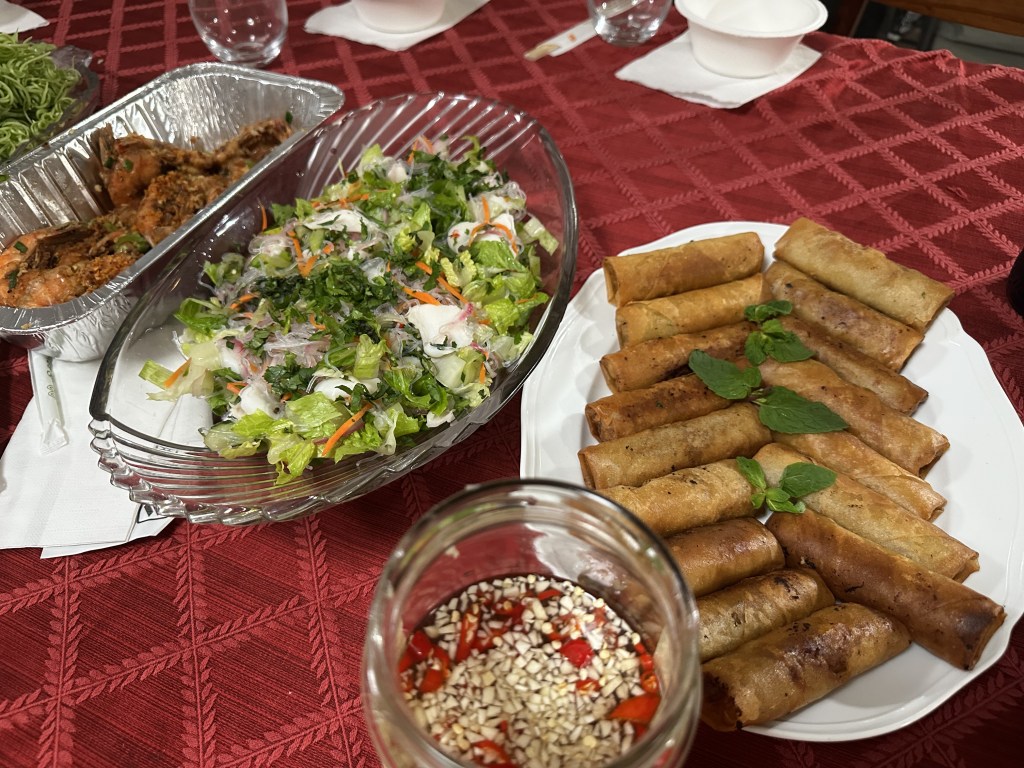
There are Vietnamese sentences that sound completely ordinary until you leave Vietnam. Ăn cơm chưa?Have you eaten? Hôm nay ăn gì?What are you eating today? Sao giờ này chưa ăn?Why haven’t you eaten yet? Về nhà ăn cơm không?Are you coming home for dinner? We ask these questions so casually…
-
 Continue reading →: Can Economics Explain Love?
What dating, relationships, and heartbreak can teach us about choice, scarcity, information, and human behavior. Love does not sound like an economics problem. Nobody falls in love while calculating marginal utility. Nobody should be sitting across from someone at dinner thinking: Given my current constraints, is this person maximizing my…
-
 Continue reading →: The TikTok Generation: Have We Lost the Ability to Think Deeply?
The other morning, while riding the bus after my beach walk, I found myself asking a question that refused to leave my mind. Why does deep thinking seem to be disappearing? Everywhere I look, people are scrolling. Fifteen seconds. Thirty seconds. One minute. Then the next video. Then another. The…
-
 Continue reading →: What a Grocery Store Can Teach Us About Economics
July 2026 – Chinatown, Honolulu One thing I never expected economics to change was the way I buy groceries. Growing up in Vietnam, going to the market was simply part of daily life. You bought what your family needed, chatted with the vendors, went home, and cooked dinner. When I…
-
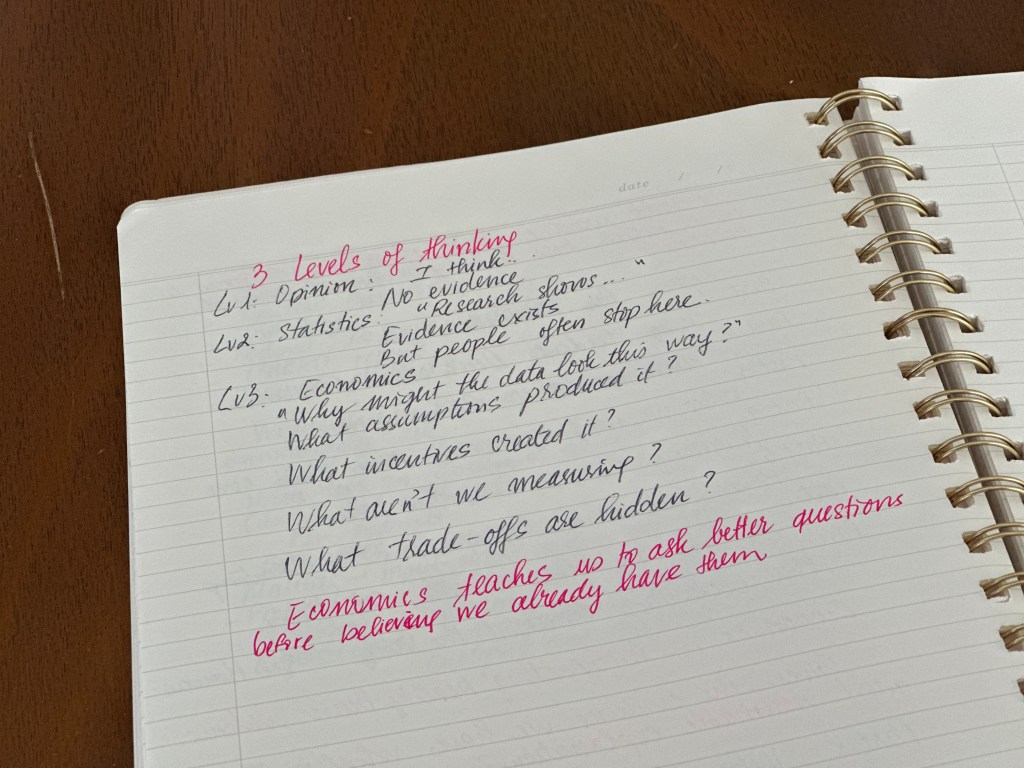 Continue reading →: Economics Has an Image Problem
August 1, 2026 – 2:30 p.m., Honolulu I had just woken up from an afternoon nap. The morning had been full. I started the day at Magic Island, spent time enjoying the peaceful beach, worked out at the gym, came home to cook lunch, and finally gave myself permission to…
Hello,
I’m Heidi 🌺

A Vietnamese girl living in Hawaii, blending aloha vibes with my love for learning, teaching, and sharing life’s little details. Proudly made in Vietnam with Aloha spirit
Let’s connect
Subscribe
Aloha friend! If you feel the sunshine, the laughter, and the little stories I share here, hit subscribe. Let’s grow together with aloha spirit and Vietnamese heart, your support means the world to me, Mahalo 🌺.

